Dissimulation
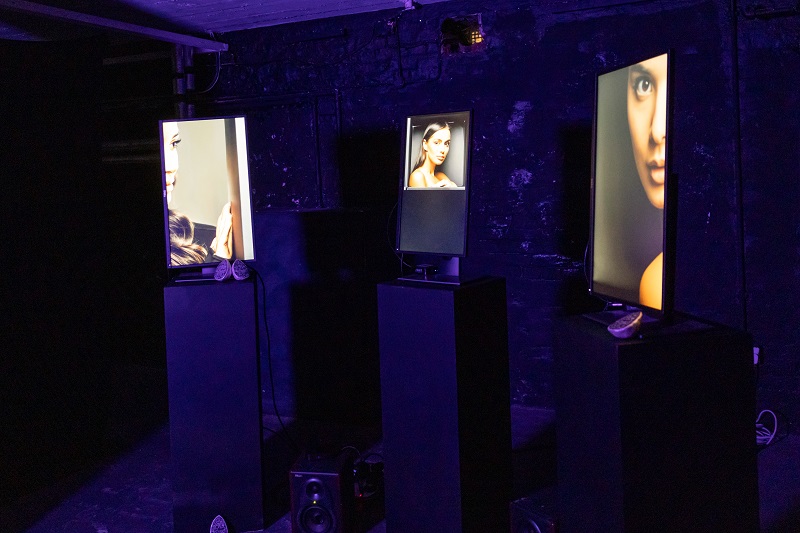

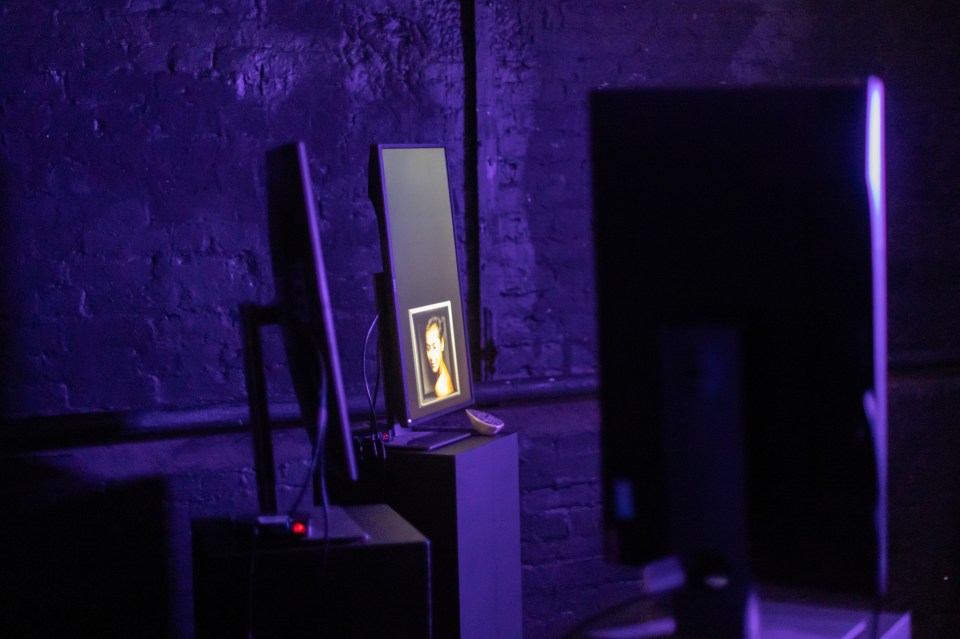
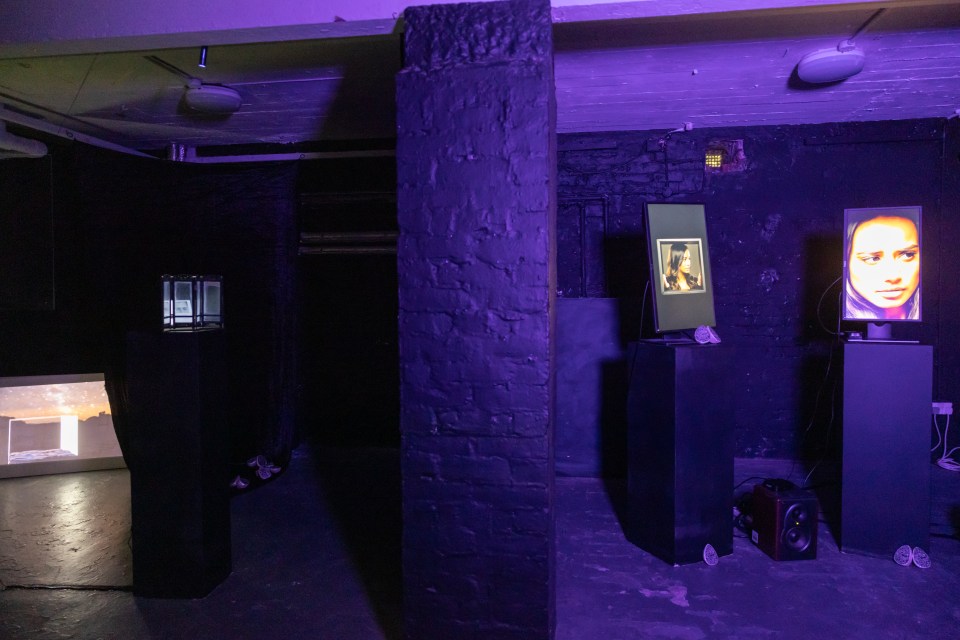
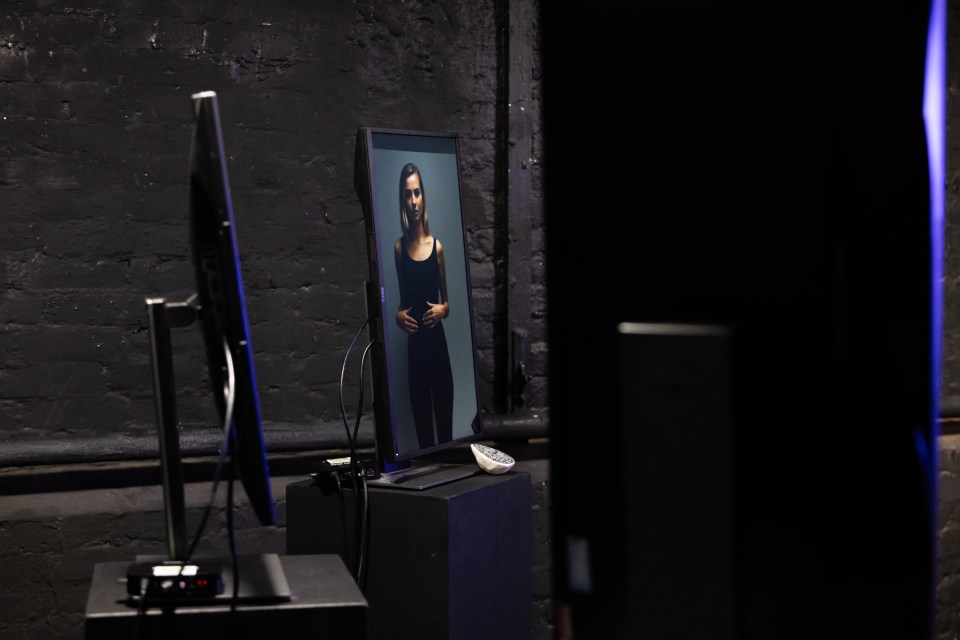


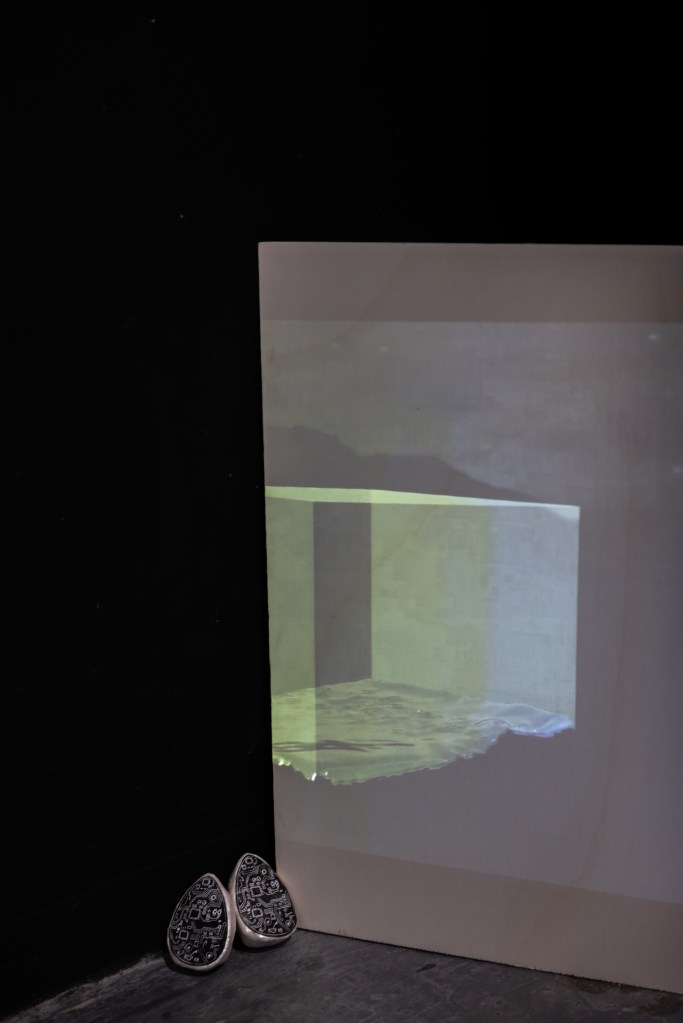


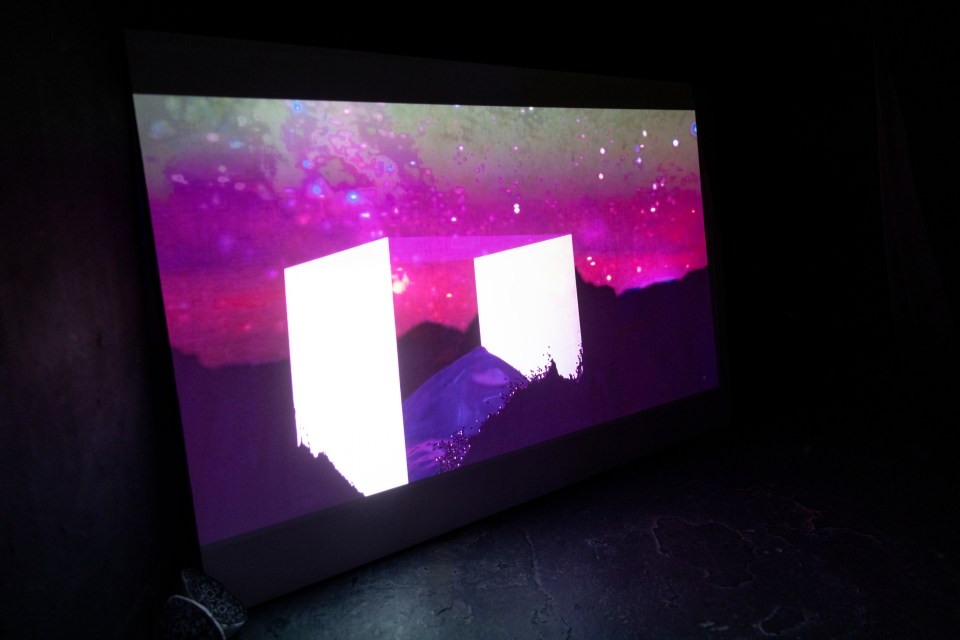
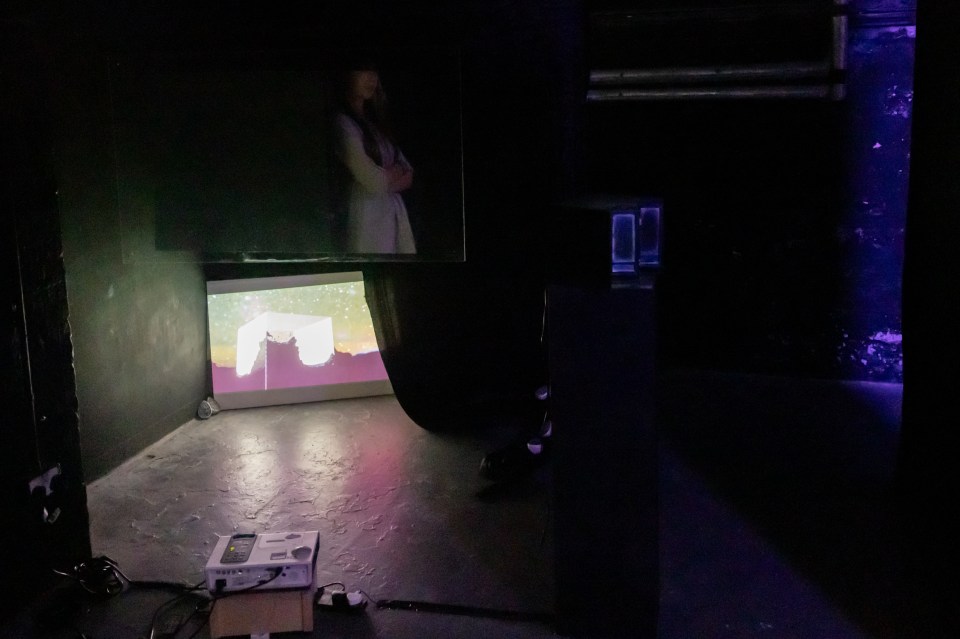
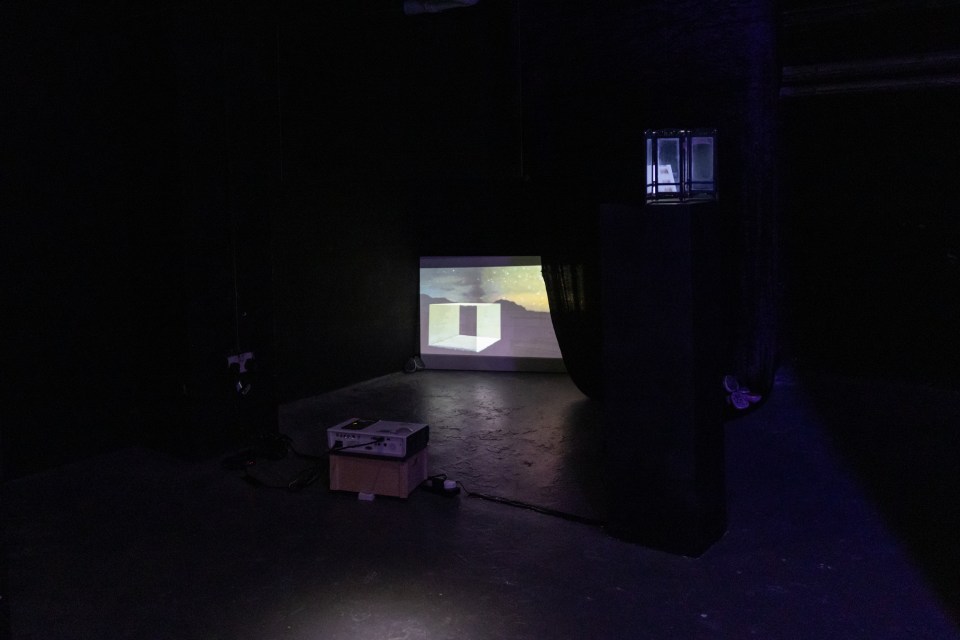
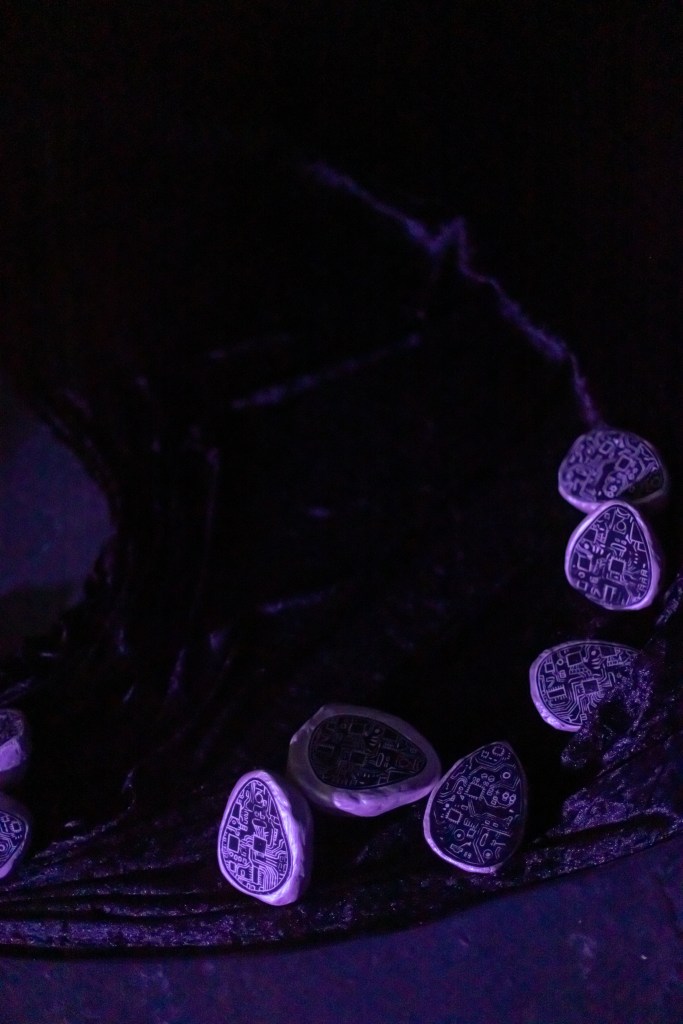
The metaphor of the ‘black box’ is commonly used to describe systems in which the inputs and outputs are known but the inner mechanisms are not. ‘Artificial intelligence’ technologies are an example of this with the ‘black box’ articulating a sense of secrecy, inscrutability and mysticism.
But ‘what is inside the black box of AI?’, a question that I posed to a Generative AI tool which in response produced a series of photorealistic images showing women’s heads within black boxes. This use of Generative image-making AI is part of a critical practice, one that interrogates the contents of datasets along lines of consent, representation and association.
This was the starting point for this video installation; an exposé of the hidden labour that goes into making AI, specifically click-work and data-labelling which is outsourced by hugely profitable US companies often to low-paid, precarious workers. The invisibility of this labour has resulted in critiques of the black box metaphor as an element that contributes to this obfuscation and serves vested political interests (Bucher 2018).
The film script is based on the experiences of clickworkers recruited via Amazon Turk as featured in Bruno Moreschi’s publication ‘Dialogues with the human intelligence behind the machines’ (2020). Moreschi’s project enabled the general public to engage in conversation with clickworkers via a website, asking questions about their experiences and revealing exploitative labour practices that current AI has depended on. The invisibility of these workers is such that that they have been known to be called ‘ghost workers’ (Gray and Suri 2019 in Moreschi).
These experiences are read by three North East-based artists and parents, creating linkages within the global infrastructure of AI-related labour that is often hidden or concealed. This socially engaged media practice connects women who feature in the image datasets, women doing the data labelling, and women based in the North East who are incidentally involved in data creation (e.g. anyone who uses social media or online platforms participates in another form of unacknowledged labour that contributes to AI datasets). The audio is the first time that they had seen and read the script.
The title Dissimulation refers to the effect that automated technologies produce – specifically a sense of autonomous, non-human agency – by concealing the labour that shaped them.
Note: Dissimulation, “concealment of reality under a diverse or contrary appearance,” from Old French dissimulation (12th C).
Script read by: Fiona Turnbull, Alia Gargum and Sofia Barton.
The Amazon Turkers cited are: Sonia (Brazil), Reylin (US) and Brianne (US).
Click on the images below to see in more detail.
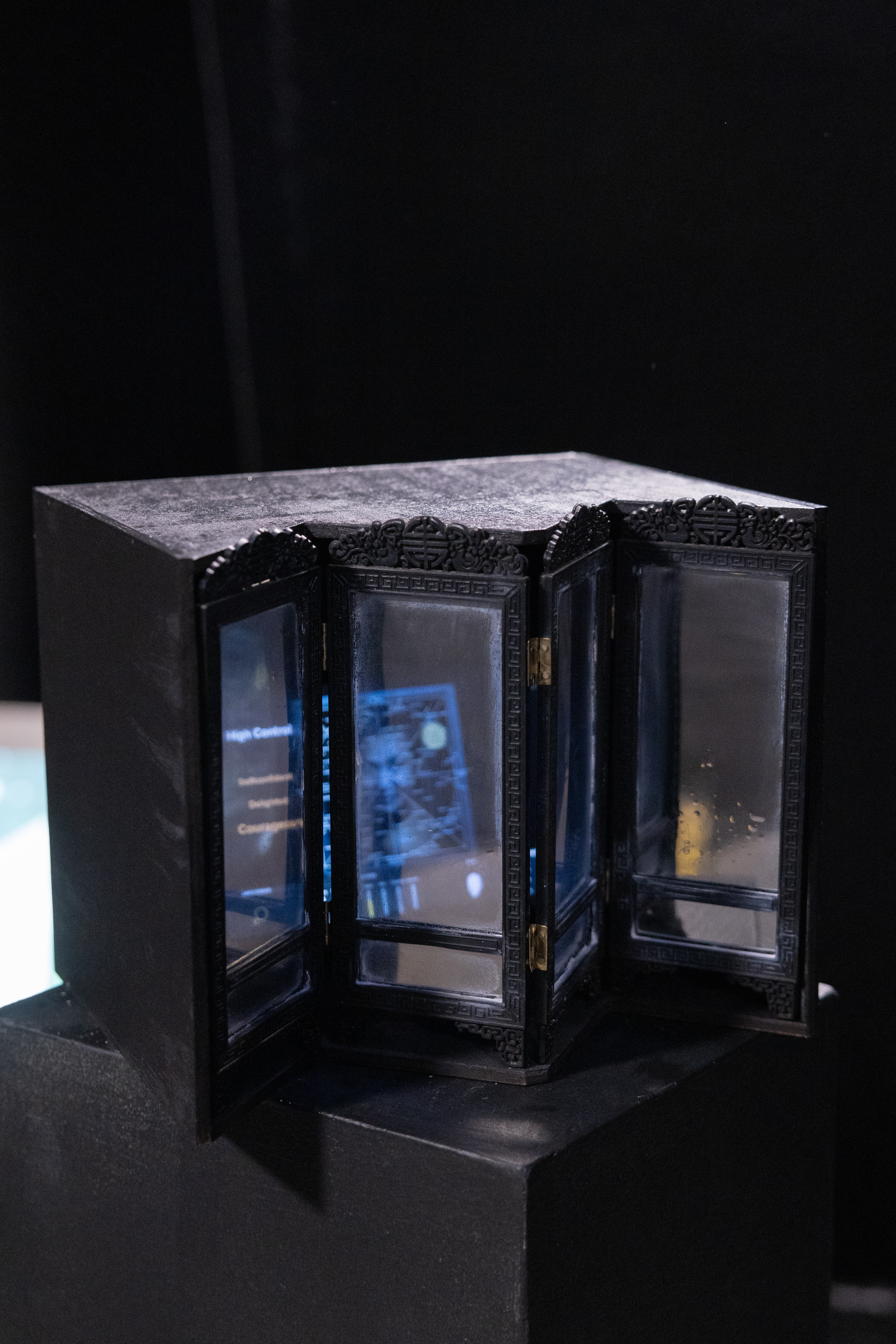
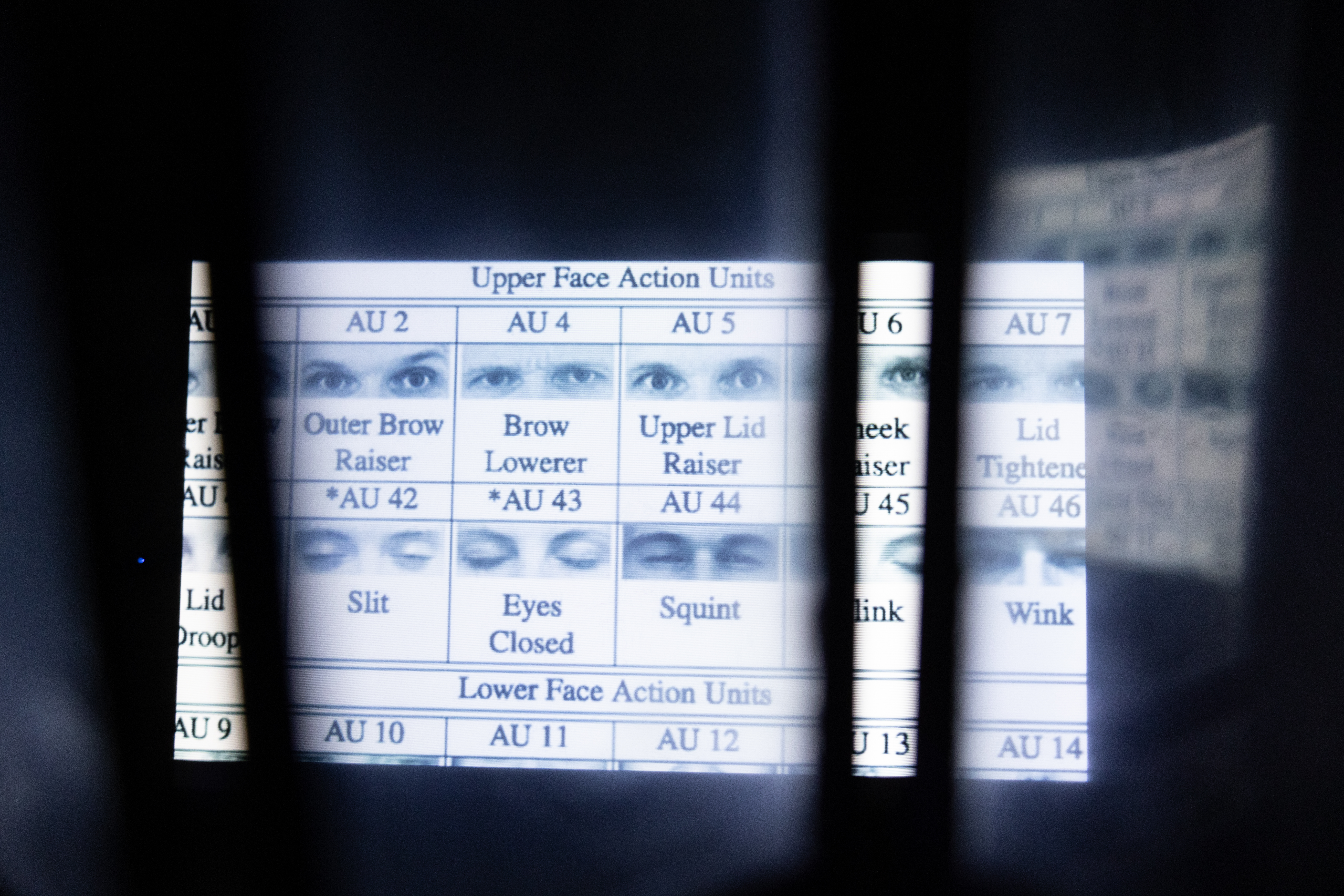
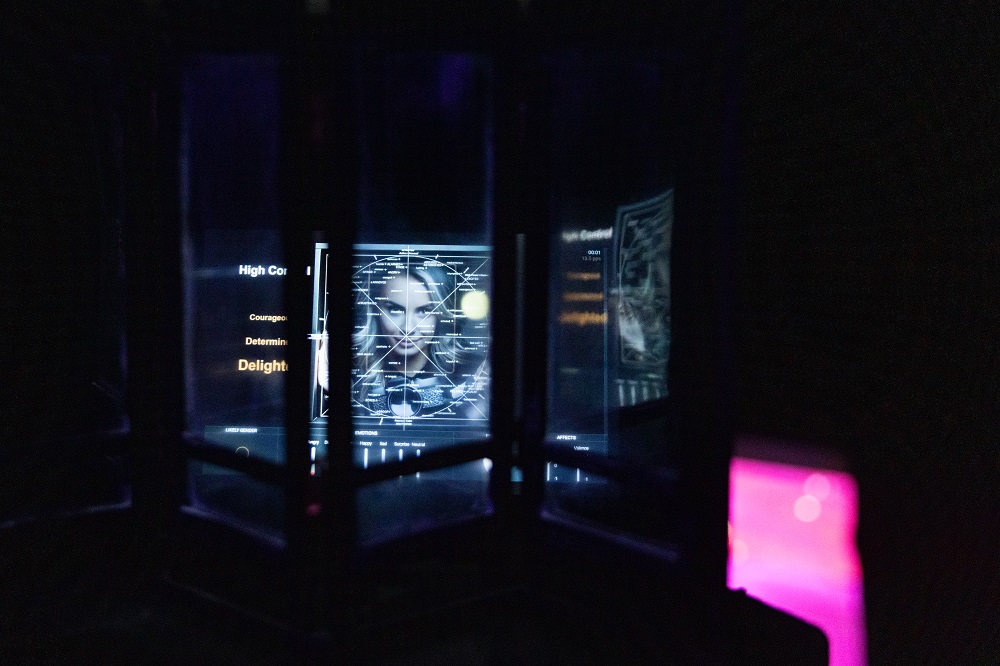
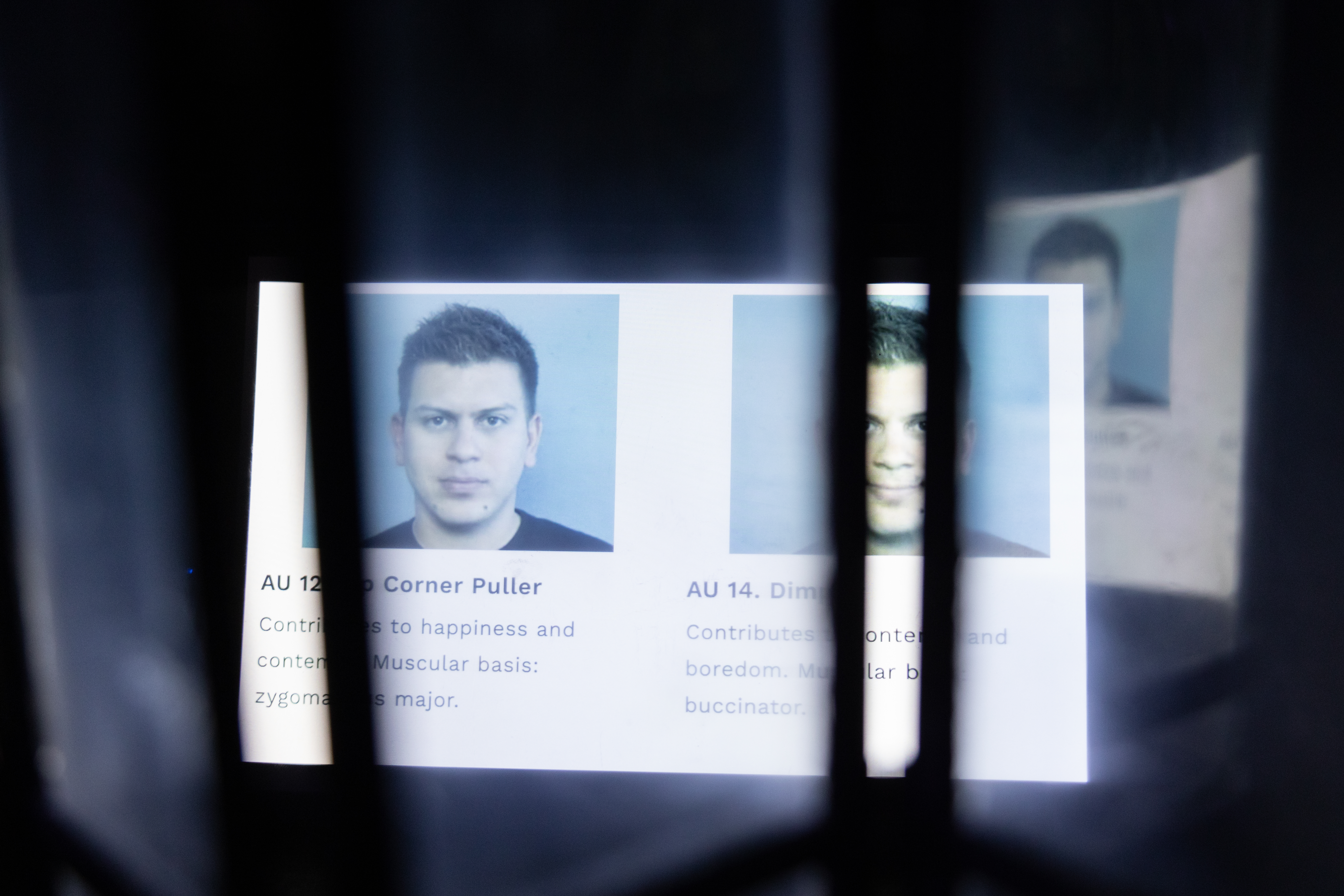
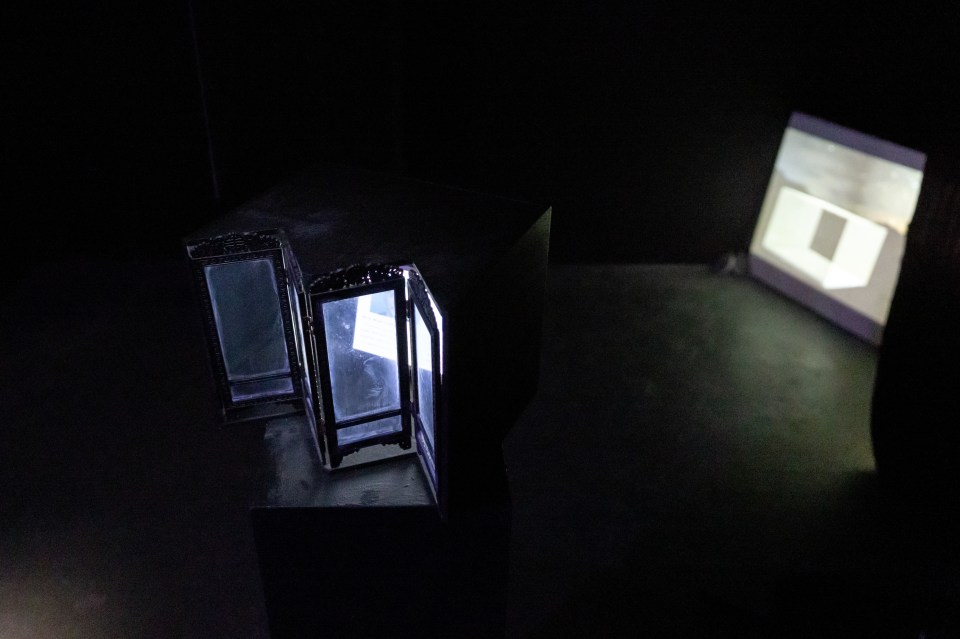
The smaller video sculpture examines cognitive privacy and the business motivations for extracting biometric information to make conclusions about our emotional states. In Pasquale’s book The Black Box Society, he describes how we are monitored through digital means as producing a ‘one-way mirror of knowledge’ in which businesses contend to know lots about us, without us knowing a lot about them. Exploring the screen as a device that can encompass both privacy and its opposite, this media collage draws upon existing promotional materials that advertise software that claims to produce insights to our inner thought-processes. Do we look guilty, attentive, depressed, confident, worried or afraid?
There is also a single-screen version of the three-screen video installation available on request.
The video below is the film (no audio) that plays within the box-shaped sculpture on cognitive privacy and emotion recognition.
Great post – very immersive! Linda 👏