The Dissolve
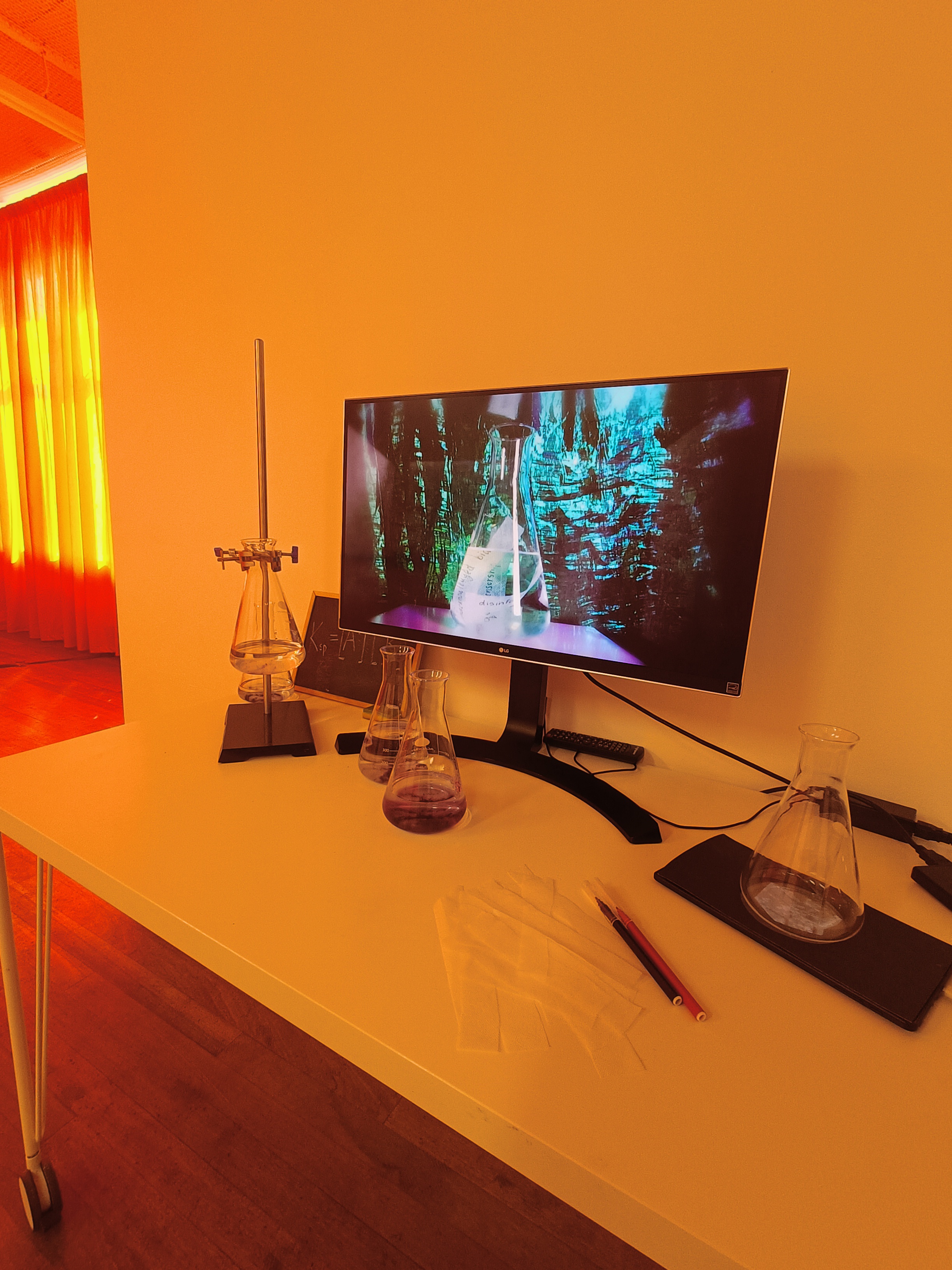
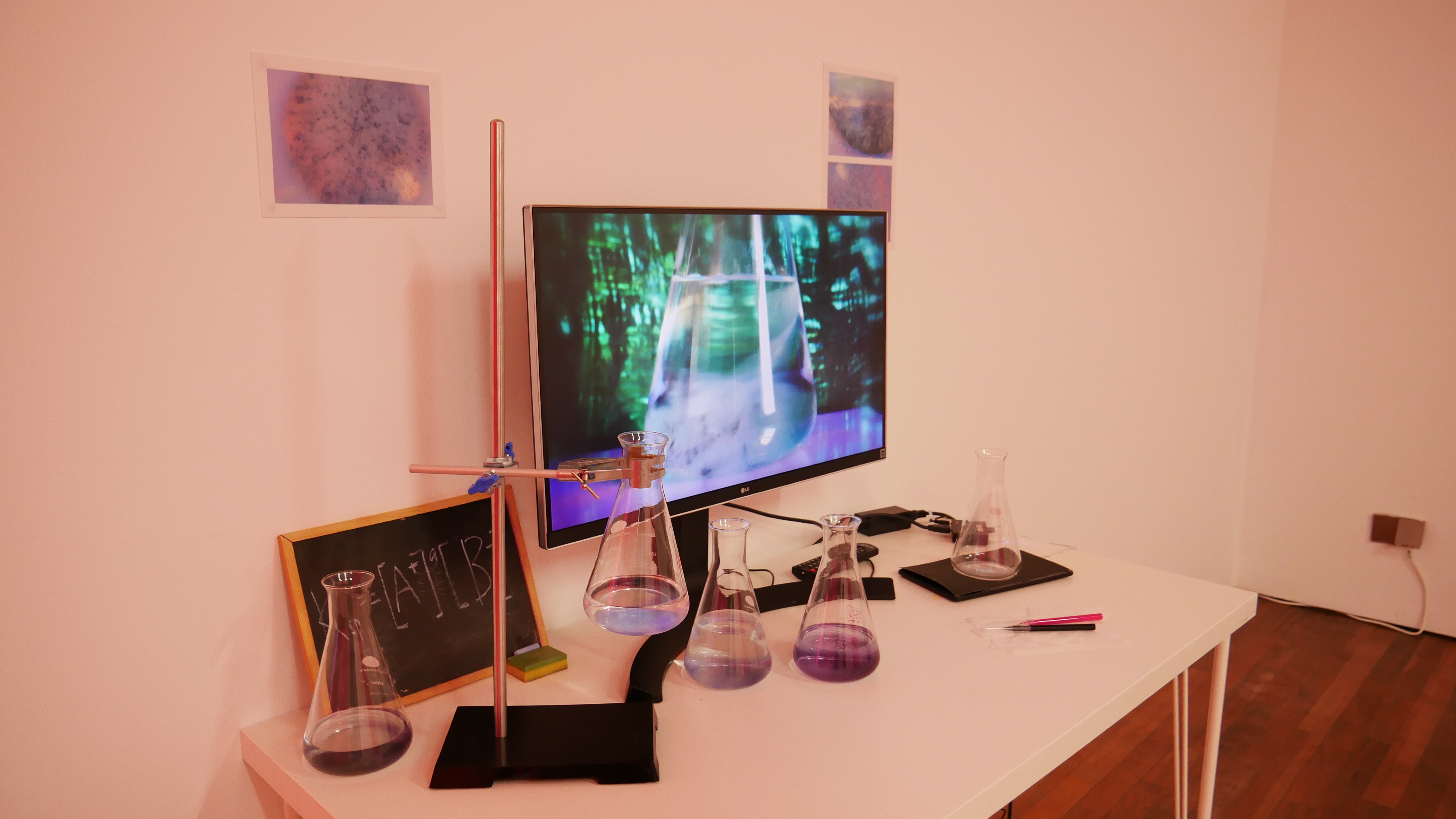
‘Dissolving black boxes’ (interactive installation/moving image) was an Everyday Algorithms micro-commission, supported by The NewBridge Project and curated by Shelly Knotts.
The metaphor of the ‘black box’ is commonly used to describe algorithms and AI systems that make opaque, difficult-to-dispute decisions about people’s lives.
Instead of reproducing and accepting this structural framework of being locked out, ‘Dissolving black boxes’ proposes a participatory approach which invites people to reflect on what they would like to take out of these systems, as well as what problematic elements they currently depend on. This process is used to shift from ‘algorithms acting upon us’ to ‘us acting upon algorithms’. The use of water and the act of dissolving construct an understanding of these systems as fluid and changeable, as opposed to fixed and impermeable. The purpose of this is to open up possibilities for agency, specifically collective agency, that could be applied in areas of technology policy/regulation and the reporting of how algorithms are experienced and felt.



Bruno Latour described black-boxing as,
‘the way scientific and technical work is made invisible by its own success. When a machine runs efficiently, when a matter of fact is settled, one need focus only on its inputs and outputs and not on its internal complexity. Thus, paradoxically, the more science and technology succeed, the more opaque and obscure they become.’
Metaphors can also hide things – just like the Cloud hides the physical materiality and environmental impact of the Internet, what might the black box hide? It is this opacity and obfuscation that ‘Dissolving black boxes’ addresses, whilst simultaneously questioning whether its inverse – transparency – offers any solutions.
When you think about algorithmic systems that are used in healthcare, education, welfare or policing, what do you wish these systems would consider?
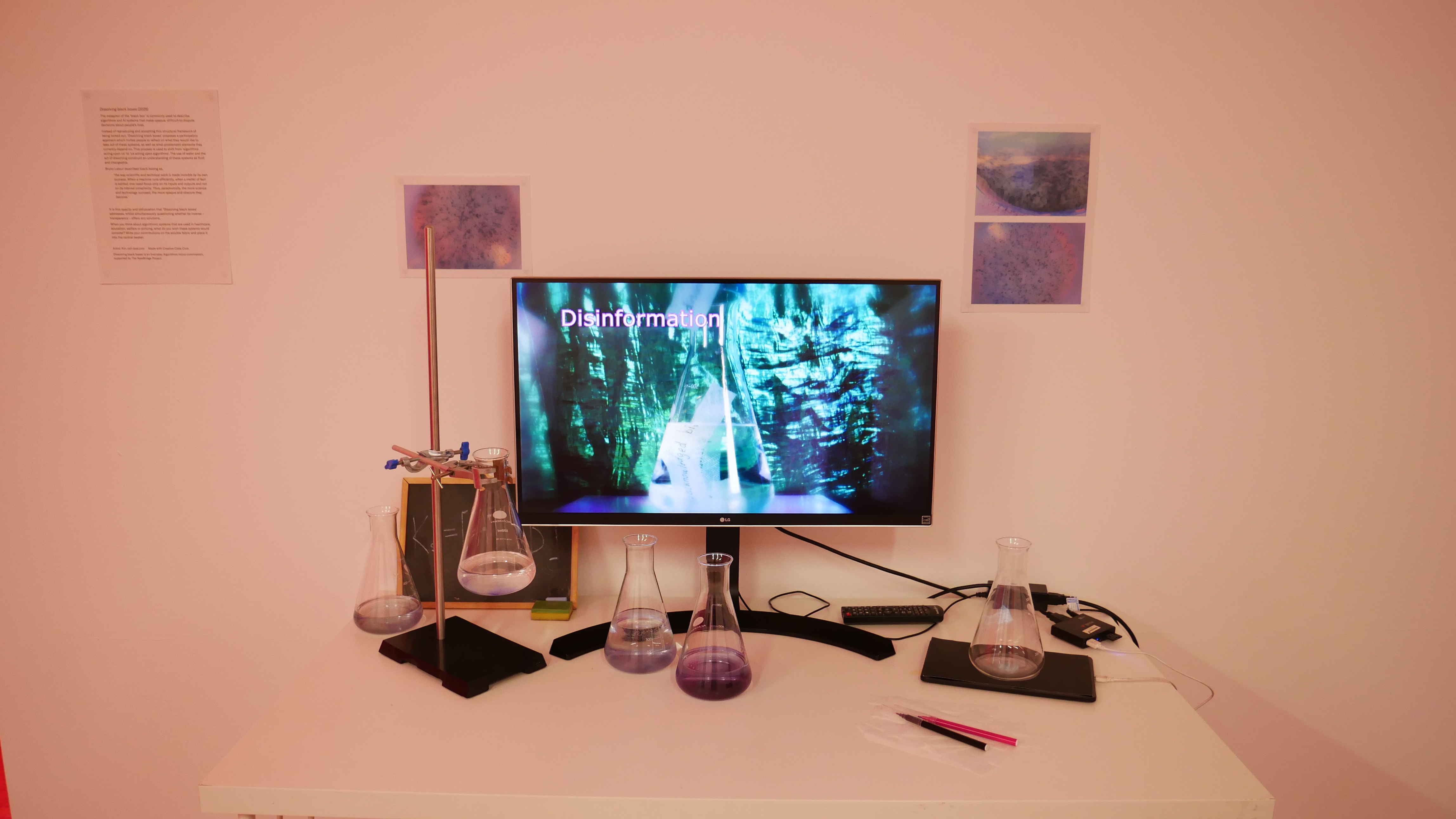
The process of making this work began with me delivering a presentation at Creative Code Club in Newcastle followed by a disscussion about the black box metaphor and how that frames understandings about AI and automated decision-making technologies applied in social contexts. Members of the group then responded to a series of questions, including ‘What goes into making algorithms?’ and ‘What would you like to take out of the ‘black box’? These contributions were then written on soluble fabric and dissolved together in beakers of water. The video shows these contributions being placed into the solutions.
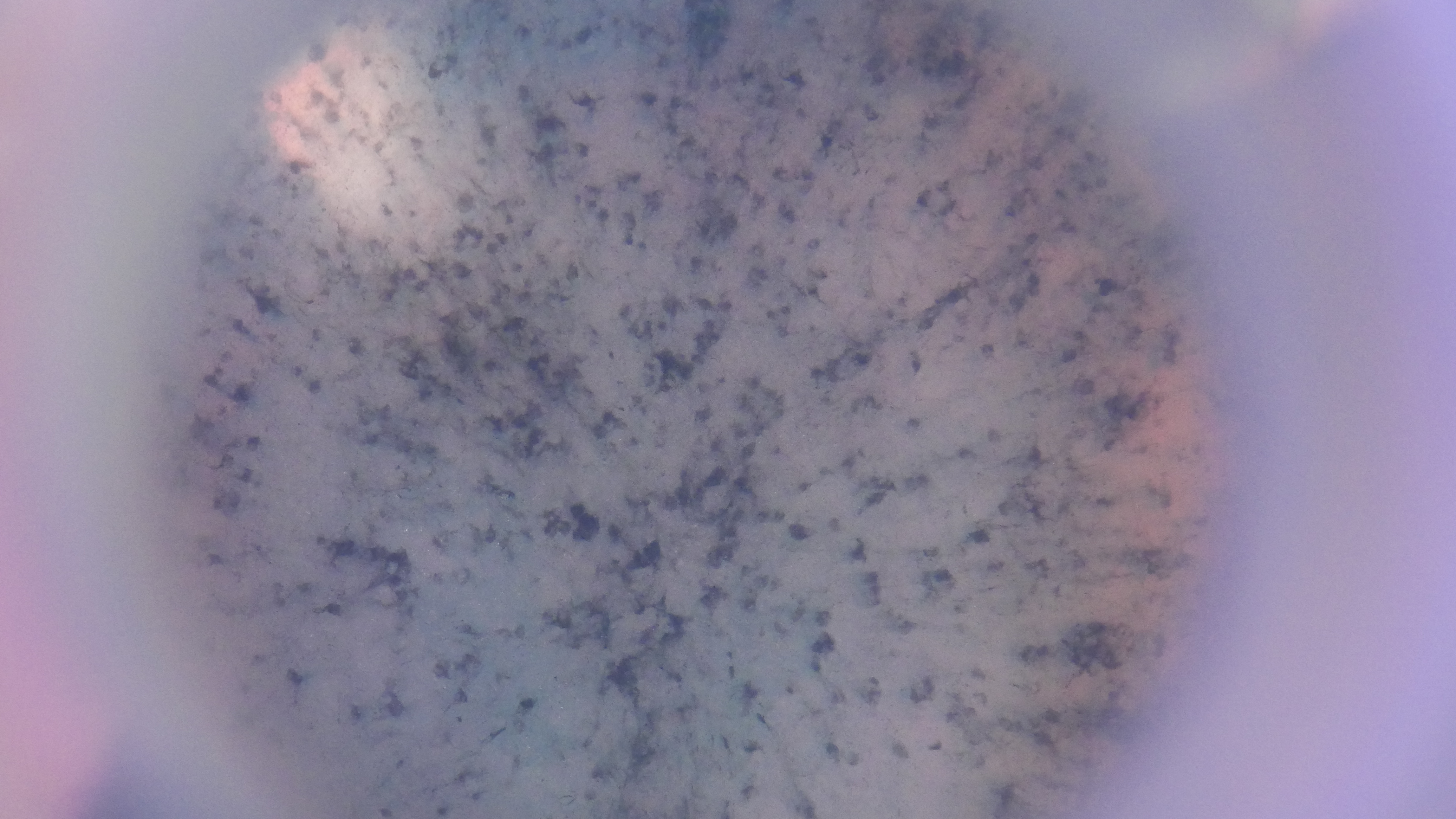
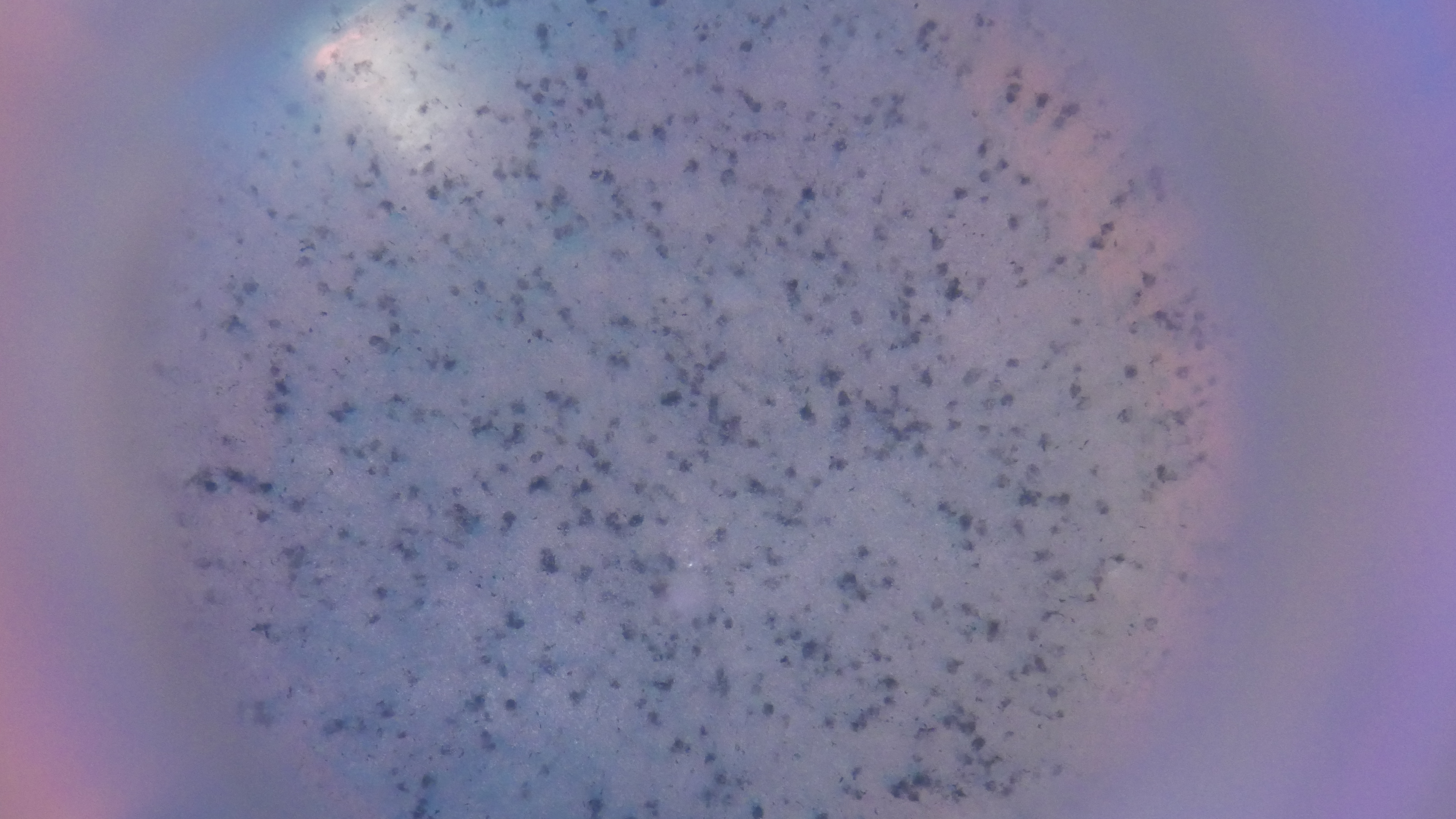
The photographs above are a top-down view into the glass beaker showing the dissolved comments written on soluble fabrics as they mix and disperse through the water.
In the act of dissolving, I see this work as having some connections with creative practices like Metzger’s ‘auto-destructive art’ which demonstrate how destruction (i.e. dissolving in this case) can also be a form of creation (i.e. the algorithmic ‘solutions’ formed in the water). Metzger’s process also had political motivations. In his manifestos, Metzger defines two key principles: self-completion and participation. The first refers to a process that is instigated by the artist but that continues after this initial beginning, ‘avoiding any sense of ownership over the development of the piece‘. The second frames participation in terms of space and context, stating that the process must at least be witnessed and experienced by publics (as opposed to exhibiting an artwork in which the creation process happened beforehand in an exclusive/private space). Both of these could be read into Dissolving Algorithms.
On the table, there was also a Pepper’s Ghost illusion inside one of the beakers showing a rotating ‘black box’ inverted in white to see in the glass container.